

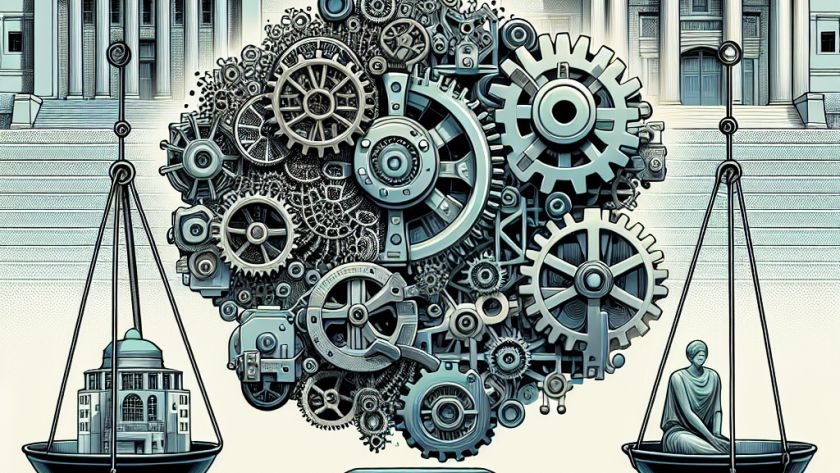
Language models (LMs) are key components in the realm of artificial intelligence as they facilitate the understanding and generation of human language. In recent times, there has been a significant emphasis on scaling up these models to perform more complex tasks. However, a common challenge stands in the way: understanding how a language model's performance…

Large language models (LLMs) such as GPT-4 have been proven to excel at language comprehension, however, they struggle with high GPU memory usage during inference. This is a significant limitation for real-time applications, such as chatbots, due to scalbility issues. To illustrate, present methods reduce memory by compressing the KV cache, a prevalent memory consumer…

As AI models become increasingly vital for computing functionality and user experience, the challenge lies in effectively integrating them into smaller devices like personal computers without major resource utilization. Microsoft has developed a solution to this challenge with the introduction of Phi Silica, a small language model (SLM) designed to work with the Neural Processing…

With an alarming rise in the use of machine learning (ML) models in high-stakes societal applications come growing concerns about their fairness and transparency. Instances of biased decision-making have caused an increase in distrust among consumers who are subject to decisions based on these models. The demand for technology that allows public verification of fairness…



Oral drugs must pass through the lining of the digestive tract to be absorbed into the bloodstream and take effect. Certain proteins present in the cells lining the digestive tract, known as transporters, aid this process, but for many drugs, the specific transporters they utilize are unknown. This knowledge could enhance patient treatment regimens as…


The latest frontier in creative tools powered by Artificial Intelligence (AI) is voice generators – technology capable of converting written text into spoken words. Such tools are not just abundant, but also affordable and user-friendly, making them more accessible to a wider audience. They are trained on large data sets of audio and some even…

The marketing industry is rapidly changing due to the integration of Artificial Intelligence (AI) technology. This has created a need for marketing professionals to be skilled in using AI-driven tools for data analysis, customer engagement, and personalized marketing. Universities are therefore being encouraged to teach AI within their curricula and to ensure students can leverage…

Brain-computer interfaces (BCIs) like those developed by Neuralink promise a fundamental revolution in marketing strategy and execution. Integrating BCIs with marketing platforms such as Robotic Marketer could transform how businesses conceive, plan, and execute marketing strategies entirely through thought.
The integration of BCIs with cutting-edge marketing platforms would enable marketing teams to brainstorm and share…